Reviewing the Happy Halloween SVG Clip Art for Embroidery
As a designer who has spent countless hours digitizing and stitching out seasonal motifs, I approach every new Happy Halloween T-shirt,Svg Clip Art file with a mix of excitement and skepticism. We all know that what looks crisp on a computer screen does not always translate cleanly to thread and fabric. When I first opened this specific design package, my immediate goal was to determine if it was merely a cute graphic or a viable asset for serious craft business applications. The premise is simple: a dedicated quote for Halloween lovers presented in an adorable style. But simplicity in graphics often requires complexity in execution when moving from digital Graphics to physical stitches.
First Impressions and Visual Personality
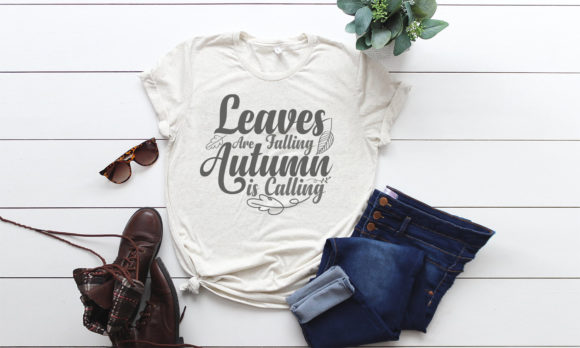
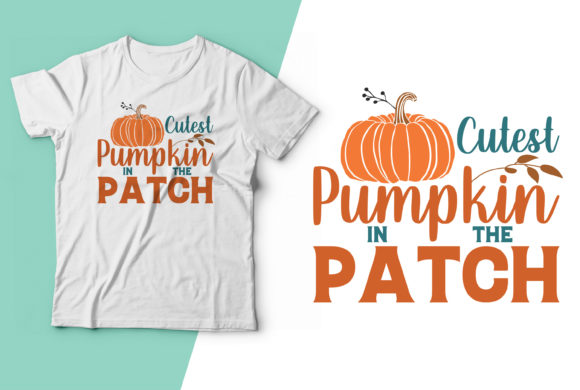
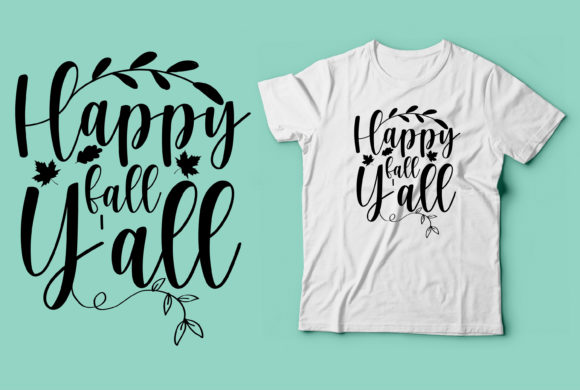
The mood of this design is undeniably cheerful rather than spooky. It leans into the "cute" side of the holiday, which opens up a broader market beyond just traditional horror fans. The layout appears balanced, with the typography taking center stage while supporting graphical elements frame the message. For an embroidery project, this is crucial. If the text is too thin or the decorative elements are too dense, the machine will struggle. My initial visual inspection suggests that the shapes are bold enough to withstand the expansion that occurs during stitching. This is a vital trait for any machine embroidery design intended for commercial use, as customers expect durability and clarity.
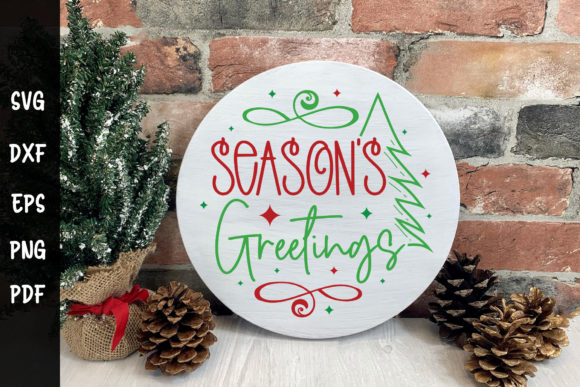
I appreciate that the files are provided in multiple formats, including EPS, JPG, SVG, and DXF. While SVG and DXF are standard for cutting machines and some embroidery software, having the EPS and JPG options allows for quick mockups and client previews. However, as an embroiderer, I must note that these vector and raster files may require manual digitizing or conversion depending on your software capabilities. They are not necessarily pre-digitized stitch files, so you must assess your workflow before promising a quick turnaround to a client.
Real-World Application: The Tote Bag Test
To truly evaluate this asset, I imagined a real-life scenario: creating a limited run of reusable tote bags for a local boutique’s October promotion. A tote bag design needs to be legible from a distance and robust enough to handle the weight of groceries or books without distorting. I placed the Happy Halloween T-shirt,Svg Clip Art conceptually on a heavy canvas tote. The bold lines of the quote would likely hold up well here. The "adorable" nature of the product makes it appealing for parents shopping for trick-or-treat bags, expanding its utility beyond just apparel.
If I were to stitch this onto a sweatshirt, the texture of the fleece would interact differently with the design. A sweatshirt embroidery project benefits from designs that do not have excessive underlay or overly dense fill stitches, which can cause puckering. Since this is a graphic-based design, it likely relies on clean outlines and solid fills. I would recommend testing a sample on scrap fabric to ensure the stitch density does not overwhelm the knit material. For a personalized gift, such as adding a child’s name below the main quote, the spacing in the original design seems accommodating enough to allow for additional custom text without cluttering the composition.
Navigating Fabric and Hoop Constraints
One must be cautious when applying this type of graphic to challenging surfaces. For instance, using this on a curved surface like a cap requires careful hooping and possibly a smaller version of the design to prevent distortion. Similarly, baby embroidery demands softness. If the design uses heavy satin stitches or dense fills, it might feel scratchy against sensitive skin. In such cases, considering an applique design approach could be beneficial. You could use the SVG outline to cut a piece of soft flannel or minky fabric, then stitch around the edges with a narrow satin or running stitch. This reduces bulk and increases comfort while maintaining the visual appeal of the holiday embroidery theme.
Dark fabrics present another challenge. If you are stitching on black or navy blue, you must ensure high contrast in your thread colors. Bright oranges, purples, and whites will pop, but muted tones may get lost. I always advise running a black-and-white mockup to check for value contrast before threading the machine. Additionally, verify your hoop size compatibility. If the design is large, you may need a 5x7 or larger hoop, which limits the types of garments you can easily embroider without re-hooping.
Commercial Viability and Brand Consistency
For Etsy sellers and small shop owners, the uniqueness of a design drives sales. This Happy Halloween T-shirt,Svg Clip Art offers a friendly aesthetic that fits well with modern, family-oriented branding. It avoids the cliché grim reaper imagery, making it suitable for a wider audience, including schools and community centers. When used in commercial embroidery, consistency is key. Ensure that the quality of the digitizing matches your brand standards. If you are converting these graphics yourself, pay attention to pull compensation and stitch angles to maintain a professional finish.
The value of this product lies in its versatility. It can serve as a standalone embroidered patch, a central motif on an apron, or a subtle accent on a pillow cover. Each application requires a different technical approach. For a kitchen towel, a lighter stabilizer and finer threads might be appropriate, whereas a denim jacket would require heavier needles and stronger thread. Understanding these nuances separates a hobbyist from a professional crafts entrepreneur.
Practical Designer Notes
Before committing to a full production run, follow these steps:
- Test on Scrap Fabric: Always stitch out a sample on the exact fabric type you intend to use. This reveals issues with tension, density, and registration.
- Check Stabilizer Requirements: Use a cut-away stabilizer for stretchy fabrics like t-shirts and a tear-away for stable woven fabrics like tote bags.
- Verify Licensing: Since the description mentions it is for Halloween lovers and includes various file formats, confirm whether the license allows for selling finished physical products. Most graphic licenses differ from embroidery file licenses.
- Inspect Small Details: Zoom in on the SVG or DXF files. Are there tiny nodes or complex curves that might cause your machine to pause or jump? Simplify if necessary.
- Contrast Check: Ensure your thread palette provides enough contrast against both light and dark backgrounds to maintain readability.
In conclusion, this design holds promise for those willing to put in the technical legwork. It is not just a drag-and-drop solution but a creative starting point for high-quality handmade product lines. By respecting the limitations of the medium and leveraging the adaptable nature of the provided design assets, you can create standout items that resonate with customers looking for festive, high-quality decor and apparel.