Reviewing the I Love You Canada SVG for Embroidery
As a designer who spends half my life staring at digitized paths and the other half pulling thread out of jammed machines, I approach every new machine embroidery design with a healthy dose of skepticism. We have all been there: you download a file that looks crisp on the screen, only to watch it turn into a tangled mess of bird’s nests on your favorite hoodie. That is why when I recently evaluated the I Love You Canada SVG Cut File, I wasn’t just looking at aesthetics. I was looking for structural integrity, stitch logic, and real-world viability for my craft business clients.
First Impressions: Mood and Visual Personality
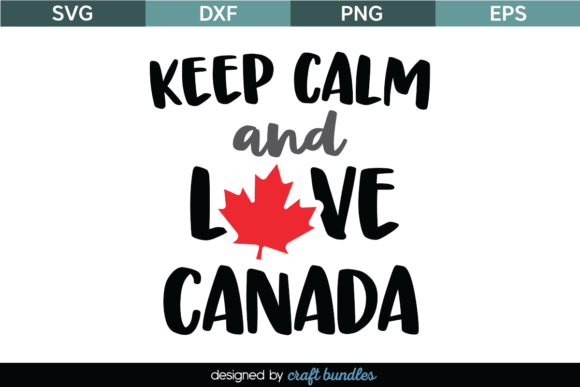
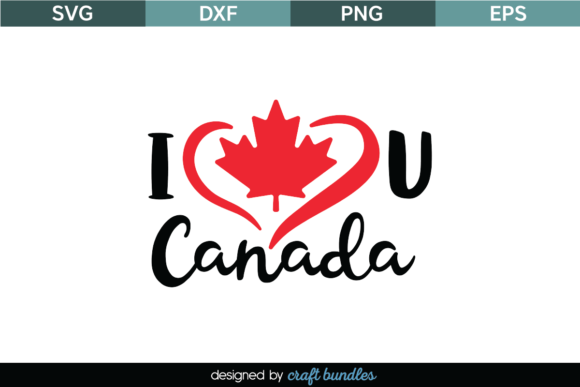
The immediate appeal of this design lies in its simplicity. It combines a heartfelt sentiment with the iconic maple leaf symbol, creating a piece that feels both patriotic and personal. For those of us working in Crafts and Graphics, we know that clutter is the enemy of clarity. This design avoids unnecessary flourishes, focusing instead on clean lines and balanced spacing. The mood is warm and inviting, making it an ideal candidate for personalized gifts rather than stiff, formal branding.
When I visualize this as an embroidery project, I see versatility. It does not scream for attention; rather, it invites a closer look. This subtlety is crucial for modern apparel where oversized, dense logos often feel dated. The layout suggests a design that respects the fabric, allowing the texture of the material to breathe between the stitches.
Real-World Application: From Digital File to Finished Product
To truly test a design, you have to imagine it on actual goods. I mentally placed this design on several common items I produce for small shop products and Etsy listings. Here is how it holds up in specific scenarios:
- Sweatshirt Embroidery: On a heather grey or navy crewneck, the contrast would be striking. The design’s open structure means it won’t pull or pucker the heavy knit fabric, a common issue with dense fill stitches.
- Tote Bag Design: Canvas bags require boldness. This design scales well. If enlarged, the lettering remains legible, and the maple leaf retains its recognizable shape without becoming a blob of thread.
- Baby Embroidery: For onesies or burp cloths, softness is key. Because the design appears to rely on cleaner lines rather than excessive saturation, it would likely feel softer against sensitive skin, provided the right stabilizer is used.
- Embroidered Patch: This is perhaps the strongest use case. A cut-out patch allows for precise edge finishing. The maple leaf serves as a natural border element, framing the text beautifully.
For any Etsy seller or creative entrepreneur, offering this as a custom apparel option during Canada Day or as a year-round tribute to national pride could drive significant engagement. It fits seamlessly into holiday embroidery collections without feeling restrictive to a single date.
Technical Considerations and Stitch Behavior
While the visual appeal is strong, we must discuss the technical execution. Since this is marketed as an SVG cut file primarily, those of us converting it for embroidery or using it as a reference for digitizing need to be mindful of stitch types. If you are digitizing this yourself based on the vector, pay close attention to the transition between the text and the leaf.
In a real stitching scenario, you want to avoid long jumps that can snag. A combination of satin stitch for the borders of the maple leaf and a lighter fill stitch or even running stitch for internal details would work best. Heavy density is the enemy here. If the design is too dense, it will stiffen the fabric, ruining the drape of a t-shirt or the softness of a towel.
Consider the stitch density carefully. On textured fabrics like terry cloth towels or waffle-knit aprons, a low-density approach ensures the design doesn’t sink into the pile. Conversely, on smooth cotton poplin for shirts, you can afford slightly more definition, but always prioritize flexibility over coverage.
Where to Use Caution
No design is universal. There are specific situations where I would advise pausing before hitting "start" on your machine:
- Curved Surfaces: Embroidering this on a cap requires careful hooping. The curvature can distort the text. If the lettering is too wide, it may wrap awkwardly around the front panel. Test on a curved hoop first.
- Stretchy Fabric: On thin jersey knits, even a moderate amount of thread tension can cause gathering. Always use a cut-away stabilizer for stretchy materials to maintain shape after washing.
- Tiny Lettering: If you scale this down for a pocket logo or a small tag, ensure the font remains readable. Intricate serifs or thin lines can break or merge during stitching. Check the smallest element in a black and white mockup to verify clarity.
- Dark Fabrics: If stitching white thread on black fabric, you may need an underlay to prevent the background from showing through. This adds bulk, so adjust your density accordingly.
Enhancing Brand Value and Customer Trust
For handmade product sellers, the quality of your design assets directly impacts perceived value. A clean, well-executed embroidery signals professionalism. When a customer receives a tote bag or sweatshirt with crisp, unpuckered stitching, their trust in your brand grows. This design supports that goal by offering a classic aesthetic that appeals to a broad demographic.
Moreover, using a recognizable symbol like the maple leaf taps into emotional connectivity. It transforms a simple item into a personalized gift with meaning. Whether it is for a tourist souvenir, a local boutique product, or a family reunion memento, the emotional resonance adds value beyond the thread cost.
Practical Designer Notes for Best Results
Before you commit to a full production run or list this as a new item in your digital embroidery file shop, follow these practical steps:
- Test on Scrap Fabric: Never skip the test stitch. Use the same fabric weight and type you intend to sell. Check for puckering, thread breaks, and registration accuracy.
- Check Thread Color Contrast: Red and white are traditional, but consider deep greens, blues, or golds for a more subtle, high-end look. View your design in grayscale to ensure the contrast holds up without color reliance.
- Confirm Licensing: The description states this is suitable for commercial and personal use. However, always read the specific license terms provided by the creator. Ensure you are compliant if selling finished items or using the SVG for print-on-demand services.
- Inspect Small Details: Zoom in on the vector file. Are there overlapping nodes? Clean up the path before digitizing or cutting to ensure smooth operation.
- Use Proper Stabilizer: Match your stabilizer to your fabric. Tear-away for stable woven fabrics, cut-away for knits, and wash-away for delicate or sheer materials.
In conclusion, the I Love You Canada SVG Cut File is a solid addition to any designer’s library. It balances sentimental appeal with practical design constraints. For the experienced embroiderer, it offers a straightforward path to creating high-quality, marketable goods. For the hobbyist, it provides a forgiving template that yields professional-looking results with proper preparation. Just remember: the file is only as good as the execution. Take the time to test, adjust, and refine, and this design will serve your craft business well.