Reviewing the Nurse Quote Design for Embroidery
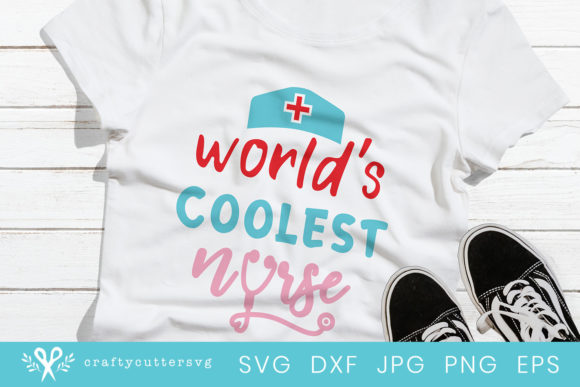
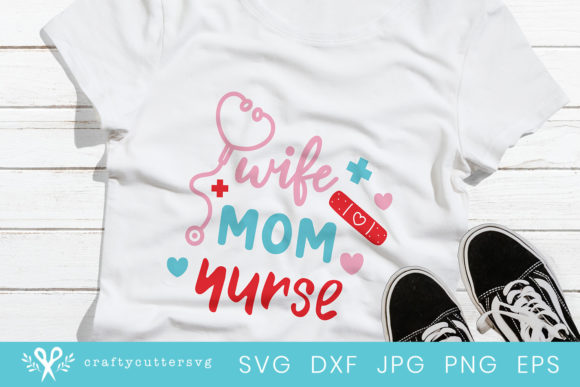
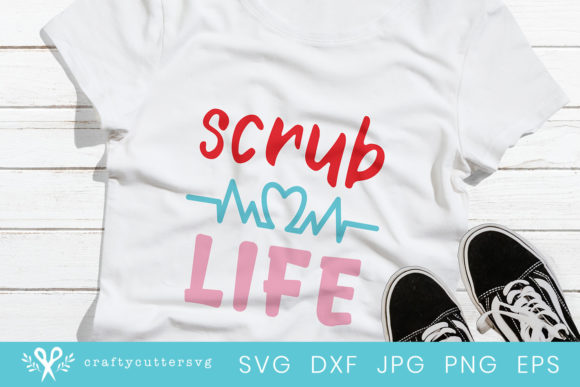
As a designer who has spent countless hours digitizing and stitching out artwork, I approach every new asset with a critical eye. We are not just looking at pretty pictures; we are evaluating how lines translate into thread, how shapes hold up under tension, and whether a design will survive the wash cycle while maintaining its aesthetic appeal. Today, I am taking a close look at the Nurse Quote Healthcare Workers Support T-Shirt graphic to determine its viability for real-world embroidery projects.
My first impression of this piece is that it carries a strong emotional weight. The theme of healthcare support is timeless, but the execution matters immensely. When I loaded the file into my viewer, I looked immediately at the layout and detail level. For a quote-based design, legibility is paramount. In embroidery, tiny serifs and thin connecting lines can easily get lost or cause thread breaks if not handled correctly. This design appears to have a bold visual personality, which is a good starting point for machine work. It suggests a mood of gratitude and resilience, making it a natural fit for personalized gifts and custom apparel aimed at medical professionals.
Real-World Application and Project Fit
To truly understand the value of this asset, I imagined a specific scenario. A local boutique owner approached me to create a line of appreciation gifts for a nearby hospital’s nursing staff. They wanted something that felt handmade and heartfelt, not mass-produced. This is where the Nurse Quote Healthcare Workers Support T-Shirt design comes into play. While the product description labels it as a clipart compatible with cutting machines like Design Space and Silhouette Studio, us embroidery designers often repurpose high-quality graphics by manually digitizing them or using auto-digitize features with heavy manual cleanup.
If you are an Etsy seller or a small shop owner, you might be wondering how this translates from a digital graphic to a stitched finished product. For a project like a heavy cotton tote bag, this design would work beautifully as a central focal point. The boldness of the quote ensures it remains readable from a distance. However, if you are planning to use this on a curved surface like a cap, you need to be cautious. Curved surfaces distort designs, and long horizontal quotes can appear warped if not adjusted for the hoop size and fabric stretch.
For sweatshirt embroidery, this design offers excellent potential. The thick fabric of a hoodie or crewneck provides a stable base for fill stitches and satin stitch borders. I envision this working well on the left chest area for a subtle professional look, or larger across the back for a statement piece. The key here is balancing the visual weight of the text with the garment’s structure. A bulky design on a thin t-shirt can cause puckering, but on a structured sweatshirt, it adds value and texture.
Technical Considerations for Stitchers
Before you rush to sell this as a commercial embroidery product, there are technical hurdles to clear. Since this is provided as a graphic for cutting machines, it is not a pre-digitized embroidery file with defined stitch types. This means you must consider how each element will be stitched. Will the letters be filled with a dense satin stitch, or will they use a lighter fill stitch? Satin stitches offer a shiny, premium look but can pull on lightweight fabrics. Fill stitches are more stable but can feel stiff if the stitch density is too high.
I strongly advise testing the design on scrap fabric first. Do not assume the graphic will translate perfectly without adjustment. Check the thread color contrast carefully. Healthcare themes often utilize scrubs blue, surgical green, or clean white. Ensure your thread colors stand out against the fabric texture. If you are stitching on dark fabric, you may need an underlay or a backing layer to prevent the garment color from showing through the stitches. Conversely, on light fabric, ensure your stabilizer does not show through the open areas of the design.
Hoop size is another critical factor. If the quote is long, it may require a large hoop, such as a 5x7 or 6x10 inch frame. Always confirm that your machine can handle the required dimensions. Additionally, inspect small details. If the graphic includes intricate icons or small decorative elements alongside the quote, these may need to be simplified. Tiny details often turn into a mess of thread nests if they are smaller than the needle’s width or if the stitch count is too high for the area.
Navigating Fabric and Material Challenges
The success of any embroidery project depends heavily on the substrate. For baby embroidery items, such as onesies or burp cloths, you must use a soft stabilizer and avoid dense stitching that could irritate sensitive skin. This design, if scaled down for baby clothes, needs to be checked for readability. Small lettering on stretchy knit fabrics requires a cut-away stabilizer to prevent distortion after washing.
For textured fabrics like towels or aprons, the design needs to sit on top of the pile rather than sinking into it. A higher stitch density might be necessary here to ensure the quote remains crisp. However, be mindful that dense stitching on terry cloth can make the item stiff and less absorbent. Finding the right balance is part of the craft business expertise that separates amateur hobbyists from professional designers.
When considering holiday embroidery or wedding gifts, presentation is everything. A nurse-themed gift for a graduation or a retirement party needs to look polished. Use high-quality rayon or polyester threads to give the design a sheen that catches the light. Test the design in black and white mockups to ensure the contrast holds up even without color. This helps you verify that the shape and layout are strong enough to stand on their own.
Commercial Viability and Brand Consistency
For creative entrepreneurs and digital product sellers, the question of licensing is vital. The product description mentions compatibility with various cutting software, but it does not explicitly state the license terms for commercial embroidery sales. Before listing finished items on Etsy or using this in client projects, you must confirm whether the creator allows commercial use of the digitized version. Using a graphic intended for paper crafts or vinyl cutting in a commercial embroidery context can sometimes fall into a gray area depending on the artist’s terms.
Assuming the license permits it, this design can enhance brand consistency for shops specializing in medical apparel. It adds a layer of professionalism and empathy to your product line. Customers trust handmade products that look well-executed. If the stitching is clean, the tension is balanced, and the design is centered, it builds buyer engagement and trust. A poorly stitched quote, however, can damage your reputation quickly.
In conclusion, the Nurse Quote Healthcare Workers Support T-Shirt graphic holds promise for embroidery projects, provided it is treated with technical care. It is not a plug-and-play embroidery file, but a design asset that requires thoughtful digitization and testing. By paying attention to stitch density, stabilizer choice, and fabric compatibility, you can transform this graphic into a high-value handmade product. Whether you are creating a personalized gift for a loved one in healthcare or expanding your small shop’s merchandise, this design offers a meaningful canvas for your craftsmanship. Just remember to verify the specifics of the file format and licensing before you begin your next big production run.