Reviewing the Bakers Gonna Bake Potholder Design
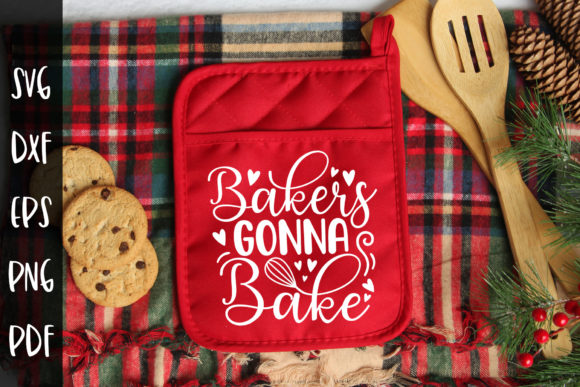
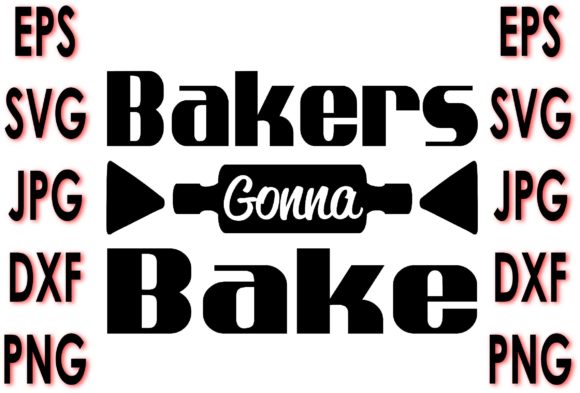
As a designer who has spent countless hours digitizing and testing embroidery patterns, I approach every new machine embroidery design with a mix of curiosity and caution. We have all been there: you download a file that looks perfect on the screen, only to find it puckers the fabric or loses its charm once stitched out. Today, I am taking a close look at the Potholder Quote Design, Bakers Gonna Ba. While the title suggests a specific kitchen application, my evaluation focuses on its versatility as a graphic asset for various handmade products.
The first impression of this design is warm and inviting. It captures that playful, pun-loving spirit often found in modern kitchen decor. The typography feels approachable, not overly rigid, which is crucial for items meant to evoke comfort and home. When I visualize this as an embroidery project, I immediately think beyond just potholders. This is a classic example of how a single digital embroidery file can serve multiple purposes if evaluated correctly.
Real-World Application and Visual Appeal
Let’s talk about a real-life scenario. Imagine you are preparing a custom order for a local bakery or a friend who loves to host dinner parties. You want to create a cohesive set of gifts. The Potholder Quote Design, Bakers Gonna Ba fits naturally here. However, instead of limiting it to thick cotton pot holders, consider how it performs on a canvas tote bag design. The boldness of the quote needs to stand out against the texture of the bag.
In my experience, designs with text require careful attention to stitch density. If the letters are too dense, the fabric will pull; if they are too light, the background fabric shows through, ruining the readability. For this specific graphic, I would recommend testing it on a medium-weight stabilizer to ensure the letters remain crisp. The mood it creates is cheerful and domestic, making it an excellent choice for a personalized gift or a boutique product line focused on home goods.
For Etsy sellers and craft business owners, visual appeal translates directly to buyer engagement. A clean, well-stitched quote on a sweatshirt embroidery project or a kitchen towel can elevate the perceived value of the item. Customers trust professionalism, and professionalism in embroidery is defined by clean edges and consistent thread tension. This design, when executed well, signals quality.
Navigating Fabric and Hoop Constraints
One of the most critical aspects of using any graphics in embroidery is understanding where the design might struggle. The Potholder Quote Design, Bakers Gonna Ba likely contains lettering that requires precision. Here is where practical judgment comes in.
- Small Hoop Sizes: If you are working with a 4x4 inch hoop, ensure the text remains legible. Shrinking a design too much can cause the stitches to merge, turning distinct letters into a blob of thread.
- Textured Fabrics: On terry cloth towels or waffle-weave fabrics, the background texture can interfere with the running stitch or satin stitch details. Always use a cut-away stabilizer for these materials to provide a firm foundation.
- Stretchy Fabric: If you attempt this on a t-shirt or baby onesie for baby embroidery, you must use a high-quality tear-away or cut-away stabilizer. Stretch fabrics distort easily, and any distortion will make the quote look unprofessional.
- Dark Fabric: Thread color contrast is vital. If stitching on navy or black, ensure your thread colors are bright enough to pop. A mockup in black and white can help you determine if the design relies too heavily on color for definition.
I also advise caution with curved surfaces like caps. While the quote is charming, placing text on a curved brim or front panel requires precise centering. If the design is wide, it may distort around the curve. For custom apparel like hats, a smaller, simplified version of the quote might work better than the full layout intended for flat surfaces.
Technical Considerations for Designers
Before you load this into your machine, there are several technical checks to perform. The product description notes that the ZIP file contains EPS, SVG, PNG, and DXF files. These are primarily vector and image formats used for scrapbooking, cut machines, and vinyl decals. It is important to clarify that these are design assets for cutting and printing, not necessarily native embroidery file formats like PES or DST.
If you are an embroidery designer, you may need to digitize this graphic yourself or convert it using specialized software. This gives you control over the stitch type. You might choose a fill stitch for larger letters to give them body, or a satin stitch for smaller text to keep it sleek. Understanding the difference between a graphic for a vinyl decal and a file ready for the needle is crucial for a successful finished product.
Always test the design on scrap fabric first. This allows you to check the thread colors and adjust tension without risking your final garment. Compare the result on both light and dark backgrounds. If you are creating a printable mockup for your online shop, ensure the digital representation matches the physical reality of the stitched item.
Commercial Use and Brand Consistency
For those running a small shop product line, consistency is key. If you use the Potholder Quote Design, Bakers Gonna Ba as part of a holiday collection, ensure it aligns with your brand’s aesthetic. Does your brand lean towards rustic charm or modern minimalism? This design leans towards playful and rustic, fitting well with holiday embroidery themes or cozy winter gifts.
When selling commercial embroidery items, always confirm licensing. Since the provided files are graphics for cut machines and scrapbooking, verify if you have the right to use the underlying artwork for commercial embroidered goods. Many designers offer separate licenses for physical goods versus digital resales. Protecting your business means respecting intellectual property rights.
In conclusion, this design offers significant potential for makers who understand how to translate 2D graphics into 3D stitched art. Whether you are creating an embroidered patch, a tea towel, or a custom apron, the success lies in the execution. Pay attention to stabilizer choice, thread contrast, and hoop size. By treating this graphic with the technical respect it deserves, you can create high-value items that resonate with customers looking for that perfect, handmade touch.