Reviewing the Potholder Quote Design: Don’t Be Afraid
As a designer who has spent countless hours digitizing and testing embroidery files, I have learned that not every graphic translates well to thread. When I first opened the Potholder Quote Design, Don’t Be Afraid, my initial reaction was one of cautious optimism. The phrase itself carries a whimsical, kitchen-centric charm, but the real test lies in how the typography and layout hold up under the needle. For those of us running small craft businesses or creating personalized gifts for friends, the difference between a charming accent and a messy puckered disaster often comes down to the source file’s integrity.
First Impressions and Visual Personality
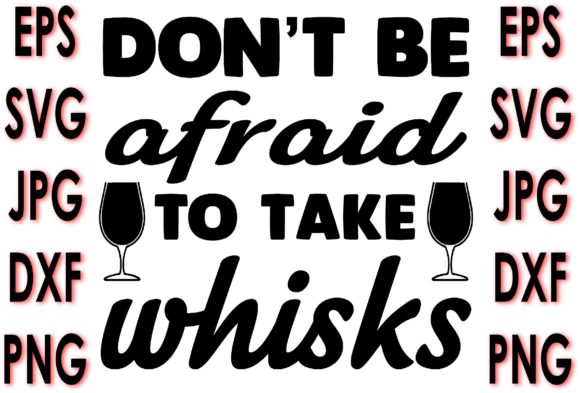
The mood of this design is playful yet bold. It does not try to be overly delicate, which is a smart move for items that will see heavy use, such as potholders or aprons. The visual personality suggests a rustic or modern farmhouse aesthetic, fitting seamlessly into current home decor trends. However, because this product is categorized under Crafts and Graphics, it is crucial to understand what you are buying. The ZIP file contains EPS, SVG, PNG, and DXF files. These are primarily vector and raster image formats intended for scrapbooking and cut machines, not native machine embroidery formats like PES or DST.
This distinction is vital. If you are an embroidery designer, you will likely need to use these graphics as a reference to manually digitize the design or use auto-digitizing software with careful manual editing. The "Don’t Be Afraid To take Whisks" pun relies on clear letter spacing. In embroidery, tight kerning can lead to thread breaks or merged letters, so the open, airy feel of the original graphic is a good starting point for a successful stitch-out.
Real-World Application: Beyond the Potholder
While the title suggests a potholder, limiting this design to kitchen linens would be a missed opportunity. I recently worked on a custom order for a boutique bakery owner who wanted branded merchandise. We used a similar typographic approach on canvas tote bags. The result was striking. The bold statement worked perfectly as a tote bag design, appealing to customers who appreciate humor in their daily tools.
Imagine applying this concept to a high-quality linen apron. The contrast of dark thread on natural fabric creates a professional, artisanal look. It also translates well to sweatshirt embroidery for casual wear. A crewneck sweatshirt with this witty quote on the chest or back becomes an instant conversation starter. For holiday embroidery projects, such as Christmas gifts for the home cook in your life, this design adds a personal touch that mass-produced items lack. It transforms a simple textile into a personalized gift with character.
Considerations for Fabric and Hoop Size
When planning your embroidery project, consider the substrate carefully. This design features text, which requires precision. On textured fabrics like terry cloth or thick denim, small details can get lost. I recommend using a medium-weight stabilizer to prevent distortion, especially if you are working with stretchy fabrics like jersey knits for t-shirts.
If you are adapting this graphic for a machine embroidery design, pay close attention to the stitch density. Text designs often suffer if the fill stitch is too dense, causing the fabric to pucker. A combination of satin stitch for smaller elements and a lighter fill stitch for larger letters usually yields the best results. Always test on scrap fabric first. Check how the thread colors interact with the fabric texture. A high-contrast combination, such as navy thread on white cotton, ensures readability, while monochromatic schemes offer a subtle, sophisticated vibe.
Navigating Technical Limitations
Since the provided files are SVG, DXF, and PNG, you must be mindful of the conversion process. Auto-digitizing can sometimes create excessive jump stitches or poorly defined paths. As an experienced reviewer, I advise inspecting the stitch path manually. Look for areas where the needle might travel unnecessarily across the back of the design. Trimming these jumps improves the finish of the finished product and reduces thread waste.
Be cautious with small hoop sizes. If the phrase is long, it may require a 5x7 or larger hoop to maintain legibility. Cramping the text into a 4x4 hoop could force you to reduce the font size, making the thin strokes of the letters difficult to stitch cleanly. For curved surfaces like caps, ensure the design is centered and properly stabilized to avoid shifting during stitching. An embroidered patch might be a safer bet for hats, allowing you to stitch the design on flat fabric before attaching it to the curved cap surface.
Commercial Use and Brand Consistency
For Etsy sellers and small shop product creators, consistency is key. This design fits well within a broader collection of kitchen-themed design assets. However, before listing items for sale, confirm the licensing terms associated with these specific graphics. While many digital files allow for commercial use of physical finished goods, selling the digital files themselves is typically prohibited. Always read the license included in the ZIP file.
Using this design in your craft business can enhance brand recognition if it aligns with your aesthetic. It appeals to makers who value humor and functionality. Create printable mockup images to showcase how the design looks on various products. This helps potential buyers visualize the custom apparel or home goods they are purchasing. High-quality photos of the stitched result build customer trust and demonstrate the professionalism of your work.
Final Verdict for Makers
The Potholder Quote Design, Don’t Be Afraid is a versatile graphic asset with strong potential for embroidery adaptation. Its strength lies in its clear message and playful tone. However, success depends on proper digitization and material selection. Do not assume the SVG file is ready to stitch; treat it as a blueprint. Invest time in refining the stitch types, choosing the right thread colors, and selecting appropriate stabilizer support.
Whether you are creating a baby embroidery item for a shower gift, stocking your online store with unique holiday gifts, or simply making a fun addition to your own kitchen, this design offers a solid foundation. Just remember to respect the technical requirements of embroidery. Test, adjust, and stitch with confidence. By treating these graphics as a starting point rather than a final solution, you can create high-value, professional-looking items that resonate with your audience and stand up to daily use.